
FOR IMMEDIATE RELEASE
Nicholas Vitale Announces
Nicholas roerich
and the single "My Favorite Day": A Sonic Bridge Between Nashville and the Himalayas
LOS ANGELES, CA — Multi-disciplinary artist Nicholas Vitale, under the IQ.33 banner, announces the surprise digital drop of his latest single, "My Favorite Day," now available on SoundCloud and Bandcamp.
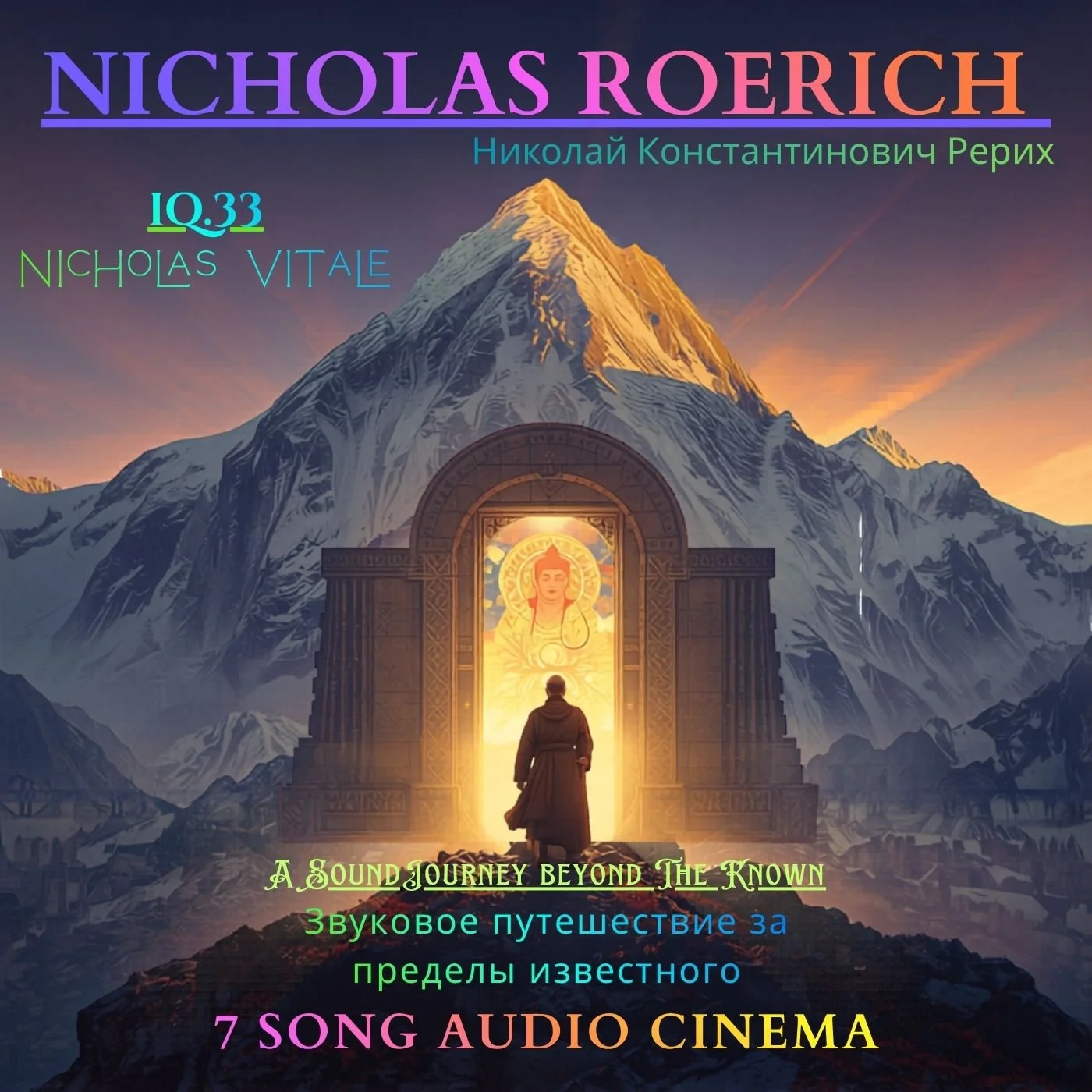
Following the global momentum of the Nikola and Amelia projects, "My Favorite Day" serves as the lead transmission from Vitale’s upcoming 7-song Audio-Cinema odyssey inspired by the life and mystical artwork of Nicholas Roerich.
The Sonic Architecture: Breaking the conventional "radio-play" mold, "My Favorite Day" utilizes a sophisticated linguistic pivot. The verses are delivered in Vitale’s signature "Carbon-Based" English, while the sweeping, anthemic chorus erupts in Russian—the native tongue of Roerich himself.
"I wanted to capture the 'Grit of the Earth' and the 'Pride of the Soul' simultaneously," Vitale says. "Russian has a natural resonance that feels like the mountain air itself. It’s a language of the heart, which is where Shambhala actually lives."
The Visual Thread: The single features cover art inspired by the "Golden Spiral" aesthetic of the Klimt series, further solidifying Vitale’s reputation as a Steward of Historical Genius. By weaving high-art iconography with modern electronic-analog hybrid beats, IQ.33 continues to build a "Museum of Sound" for the 21st-century listener.
"My Favorite Day" is more than a song; it is a "Shinto-grade" resonance designed to help the traveler find the "Internal Kingdom" amidst the noise of the modern world.
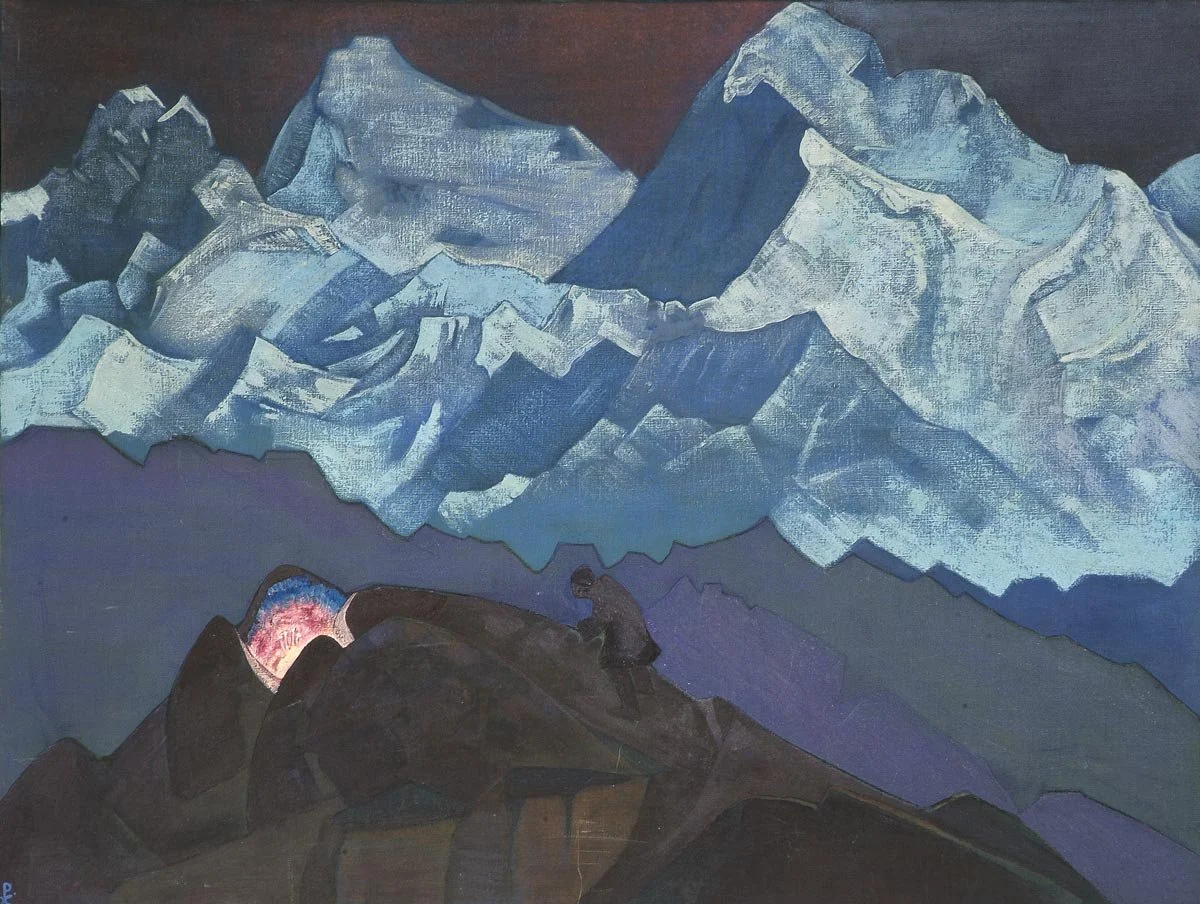
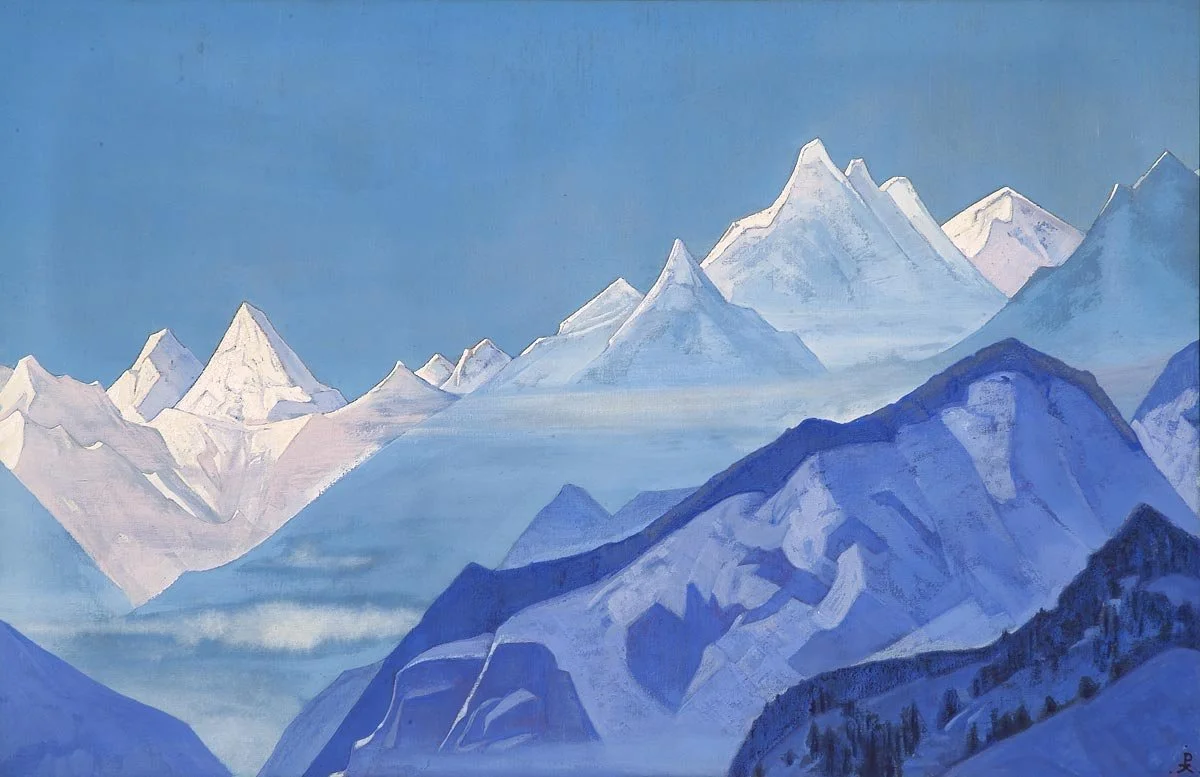
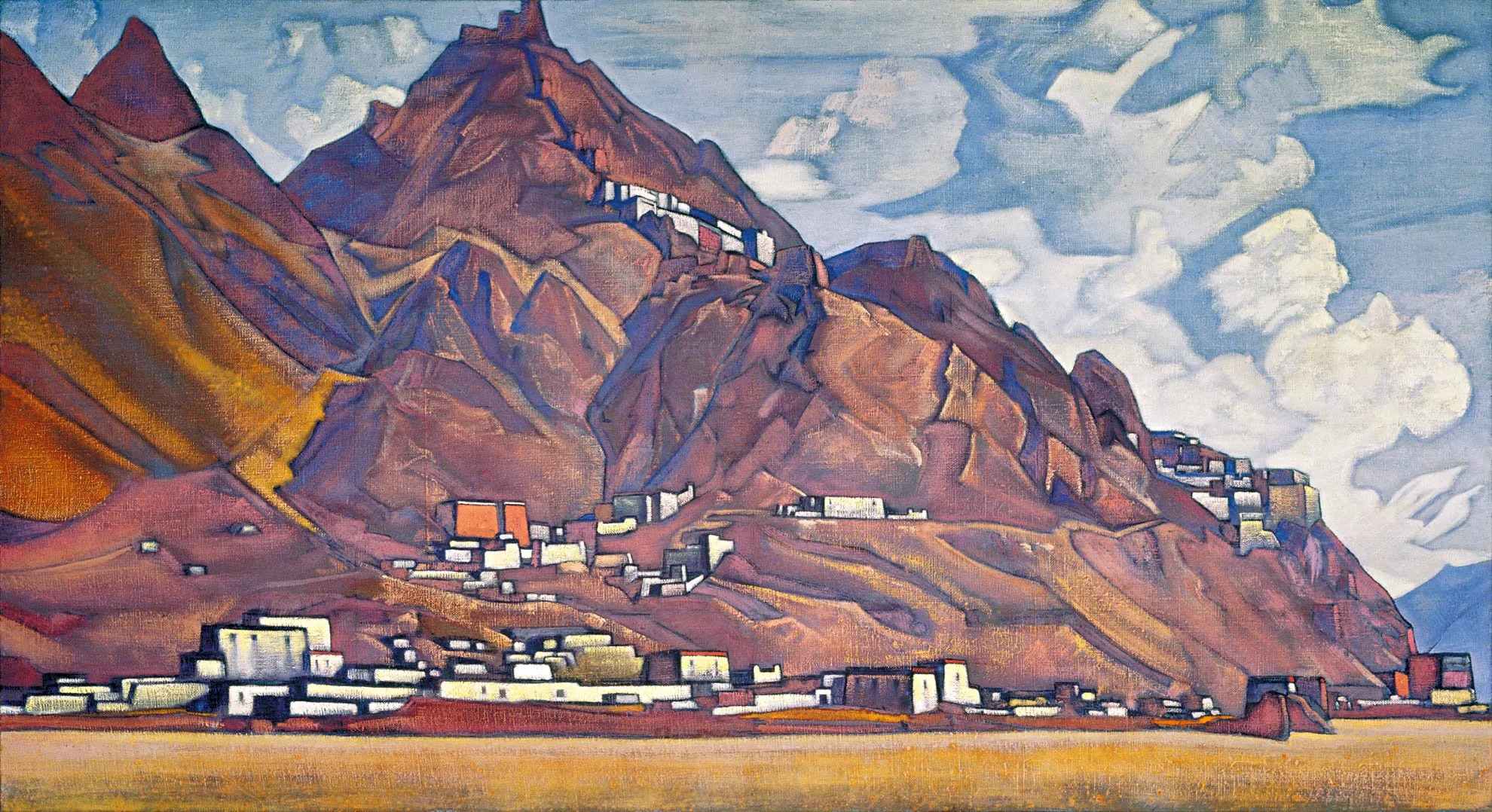
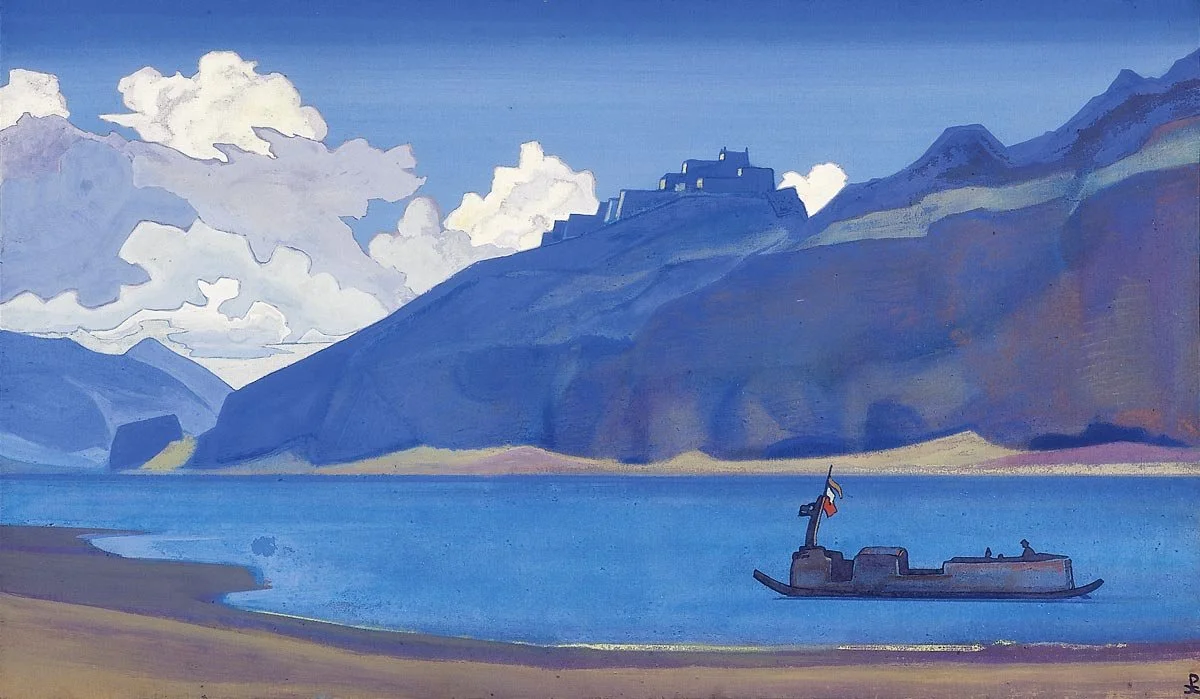
Nicholas Roerich (1874–1947) was a prolific Russian painter, archaeologist, philosopher, and mystic who created over 7,000 artworks, notably designing for the Ballets Russes. Known for his vibrant, symbolic paintings of ancient Russia and the Himalayas, he founded the "Living Ethics" philosophy with his wife, Helena, and initiated the Roerich Pact for cultural heritage protection.
Early Life and Career
Birth: Born on October 9, 1874, in St. Petersburg, Russia, to a well-to-do family.
Education: In 1893, he simultaneously enrolled at St. Petersburg University (law) and the Imperial Academy of Arts, blending his intellectual and creative pursuits.
Archeology & Art: He was a dedicated archaeologist, studying ancient Slavic history, which profoundly influenced his early paintings.
Ballets Russes: He achieved fame for his set designs, most notably for Igor Stravinsky’s The Rite of Spring (1913).
Emigration and Spiritual Journey
Exile: Following the 1917 Russian Revolution, he left Russia, living in Finland, Scandinavia, and England before moving to the United States in 1920.
Asia Expedition: Between 1925 and 1929, he conducted a massive, five-year expedition through India, Tibet, and Central Asia, which profoundly impacted his art and philosophy.
Spirituality: Together with his wife, Helena Roerich, he developed a philosophical system known as "Living Ethics" or Agni Yoga.
Legacy and Cultural Contributions
Roerich Pact: He was a strong advocate for the protection of cultural, historical, and artistic institutions during wartime, leading to the international "Banner Of PEace" treaty signed in 1935.
Final Years: He settled in Naggar, in the Kullu Valley of the Himalayas in India, where he continued to paint and study until his death on December 13, 1947